
 MEET
MEET MEET
MEET MEET
MEET MEET
MEET MEET
MEET PATIENT FORMS
 PATIENT PORTAL
 FINANCING AND INSURANCE
 YOUR FIRST VISIT
A tender spot on the inside of your mouth can be easy to dismiss. Many mouth sores are minor and resolve on their own, especially when they started after a sharp chip, a hot bite of pizza, or a stressful week. Still, a mouth sore not healing deserves attention because the mouth lining is sensitive, highly visible, and often the first place certain health conditions show up.
At Northwest Dental Specialists in Park Ridge and Mt. Prospect, Dr. Paola Rojas evaluates oral abnormalities through Oral Pathology Services. Her goal is straightforward: provide early evaluation, a precise diagnosis, and a clear plan for what comes next. Our team keeps communication open with your general dentist and coordinates care efficiently, so you are not left waiting and wondering.
Why a mouth sore not healing deserves prompt attention
A typical healing process for minor injuries is fairly predictable. If you bit your inner cheek or irritated your gums with a sharp tooth, you usually see steady improvement within several days. When a mouth sore not healing persists past about two weeks, becomes recurrent, or changes in color or texture, it is time for a clinical visit with a healthcare provider who can perform a careful visual examination.
Updated dental guidance in 2026 reinforced a practical point: persistent sores, red or white patches, lumps, and unexplained changes should be evaluated clinically. The goal is not to create fear but to avoid missed diagnoses and identify when specialist referral or biopsy is appropriate.
What “normal” looks like for common mouth sores
There are lots of different things that can cause a small sore. Some have a known cause, like a burn on the roof of your mouth from hot food. Others are less clear, including canker sores that appear during stress or after certain foods.
Common, usually short-term examples include:
- Canker sores (often an aphthous ulcer): a common type of mouth ulcer that forms on the inner lips, inside of your cheek, or along the gumline. Typical sore symptoms include tenderness and a burning sensation.
- Cold sores: these usually appear on the outside of your mouth and relate to viral activity and the spreading of the virus through close contact or shared personal items.
- Irritation from spicy foods, braces, or a sharp tooth, which can lead to chronic irritation if the trigger remains.
- Minor trauma from accidental biting, vigorous brushing, or dental appliances.
Even when the most common reasons are harmless, you should still seek early evaluation for persistent sores. A single visit often provides clarity, and in many cases, reassurance.
When should a sore or patch be checked?
If you are using an online symptom checker and still feel uncertain, use a time-based rule plus a change-based rule. A mouth ulcer or patch should be examined when it does not improve within two weeks, or when it shows concerning changes.
Schedule an evaluation if you notice:
- Persistent sores, especially a mouth sore not healing after 10 to 14 days
- White patches or red areas that do not wipe away, including leukoplakia lesions
- A lump, thickened area, or a rough patch on the mouth lining
- A sore on the floor of the mouth, tongue, or inside of your cheek that keeps returning
- Increasing pain, bleeding, or a spreading area of irritation
- Ill-fitting dental work that creates ongoing rubbing and minor trauma
- Systemic concerns such as unexplained weight loss or fatigue, especially alongside oral changes
This approach supports timely evaluation without turning every spot into a crisis. It also aligns with how medical professionals separate common reasons from issues that need deeper assessment.
What could be causing the spot? A calm look at the possibilities
Many patients want a simple answer, and a quick internet search often escalates worry. In real clinical settings, there are a number of reasons a spot lingers. Some relate to local irritation and some relate to an underlying condition affecting the immune system.
Here are categories your provider may consider during an oral pathology visit:
1) Local irritation and minor injury
A rough filling edge, a sharp tooth, or repeated cheek biting can prevent healing. Chronic irritation can keep an area inflamed even when it is small.
2) Infections
Some mouth sores are associated with fungal infections, viral outbreaks, or other infectious causes. Cold sores often involve the lip border, while other infections may appear on the tongue, palate, or inner cheek. If a sexually transmitted infection is a concern, your dentist may guide you to the appropriate medical professionals for testing and coordinated care.
3) Inflammatory and autoimmune conditions
Conditions such as oral lichen planus and other autoimmune diseases can create changes in tissue texture, sensitivity, or persistent patches. These often require careful monitoring and, at times, additional steps to confirm a diagnosis.
4) Nutrition and blood-related factors
Deficiencies such as low vitamin B or iron deficiency can contribute to symptoms of a mouth ulcer or delayed healing. In some cases, blood tests arranged through your physician help identify a medical condition that affects oral health.
5) Tobacco and irritants
Tobacco use is a risk factor for tissue changes and can contribute to persistent irritation. If you use tobacco products, be direct with your provider so your screening and follow-up plan matches your risk profile.
6) Precancerous or cancerous changes
Oral cancer and mouth cancer are not the most common explanation for mouth sores, and many lesions are benign. Still, a non-healing sore or a persistent red or white patch can be a sign of oral cancer, which is why oral cancer screening and appropriate referral matter. Organizations like the Oral Cancer Foundation emphasize early detection because it improves outcomes.
If you are worried after reading information from sources like the Cleveland Clinic, bring that concern to your visit. A calm conversation and a systematic exam are the right next step.
What happens during an Oral Pathology evaluation at Northwest Dental Specialists?
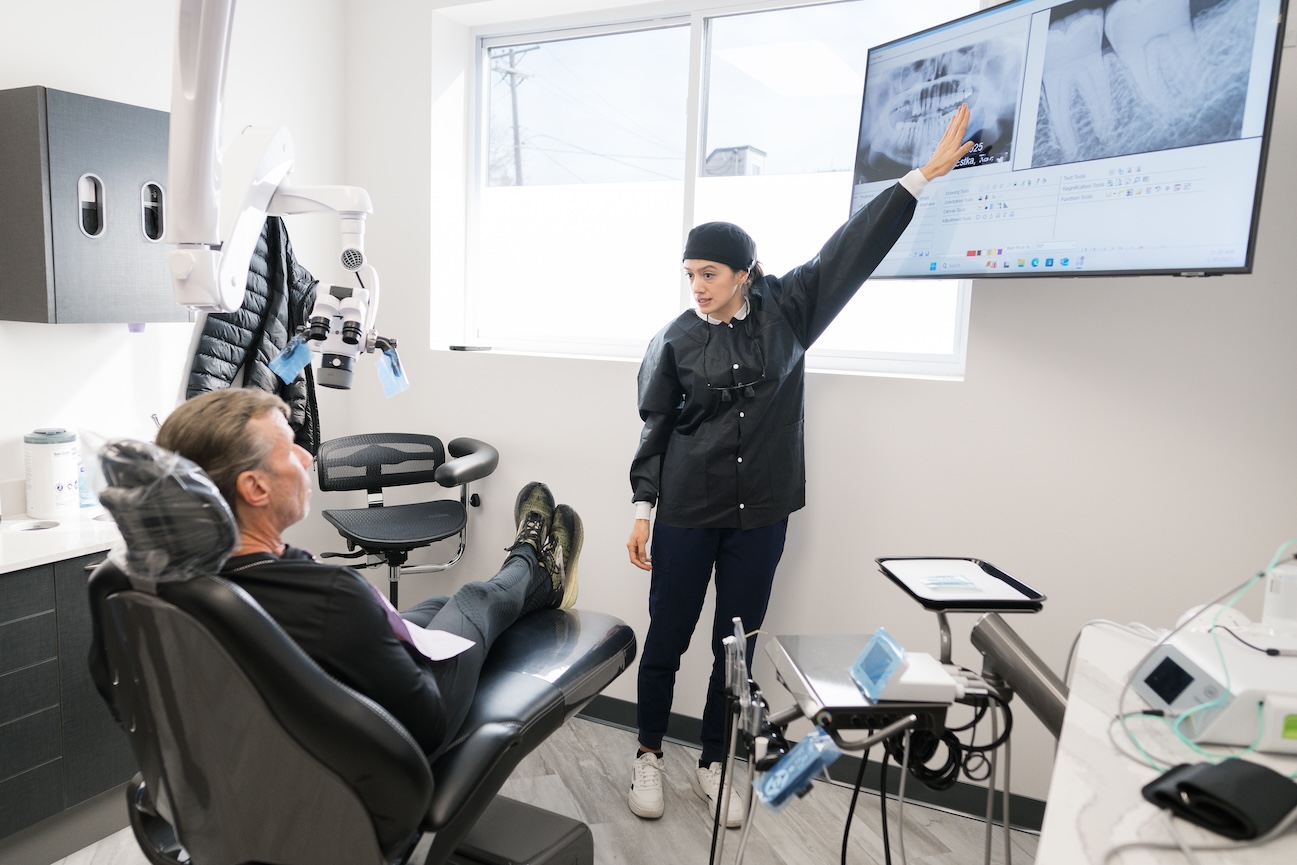
A focused oral pathology appointment is designed to answer two questions: what is this, and what do we do about it? Dr. Rojas begins by reviewing your medical history and current symptoms, including how long the area has been present, whether it moves around, and whether anything triggers flare-ups. Hormonal changes, immune system shifts, and medication changes can all be relevant, so details help.
Next comes a thorough visual examination of the gums, cheeks, tongue, palate, inner lips, and the floor of the mouth. Dr. Rojas looks at color changes, texture, borders of the lesion, and any signs of chronic irritation. If a biopsy is needed, it is completed with local anesthesia for comfort, and the sample is sent for microscopic evaluation. After results are available, you receive a clear diagnosis and guidance on management and follow-up.
When you are referred by a general dentist, our team prioritizes communication so your dentist stays informed. That continuity supports efficient decision-making and avoids duplicated visits.
What you can do at home while you wait (and what to avoid)
Home care can support comfort, but it should not replace professional evaluation for persistent sores. Keep it simple and gentle, and focus on reducing irritation to the mouth lining.
Helpful steps include:
- Maintain good oral hygiene using a soft toothbrush and gentle technique.
- Avoid spicy foods, sharp foods, and very hot foods if they worsen soreness.
- Consider mouth rinses that are non-irritating. Some people use a mixture of equal parts hydrogen peroxide and water short term, but it can sting and should be used cautiously and only as directed by your dental professional.
- For pain control, a topical anesthetic can offer temporary relief, especially for canker sores.
Avoid repeatedly picking at the area, aggressively scraping white patches, or switching through multiple harsh products. If you are experiencing a severe breakout of cold sores or suspect an infection, contact a healthcare provider promptly for guidance.
A practical takeaway for patients in Park Ridge and Mt. Prospect
Most mouth sores improve. When they do not, an exam provides clarity and a plan. If you have a mouth sore not healing, recurring mouth ulcer episodes, or persistent white patches, make the appointment and bring your questions. A timely evaluation helps identify whether you are dealing with minor trauma, an infection, a specific health condition, or something that needs biopsy for a definitive answer.
Northwest Dental Specialists offers Oral Pathology Services led by Dr. Paola Rojas, with a careful, patient-focused approach and strong coordination with referring dentists. To schedule an oral pathology evaluation in Mt. Prospect, call (847) 398-0404.