
 MEET
 MEET
 MEET
 MEET
 MEET
 PATIENT FORMS
 PATIENT PORTAL
 FINANCING AND INSURANCE
 YOUR FIRST VISIT
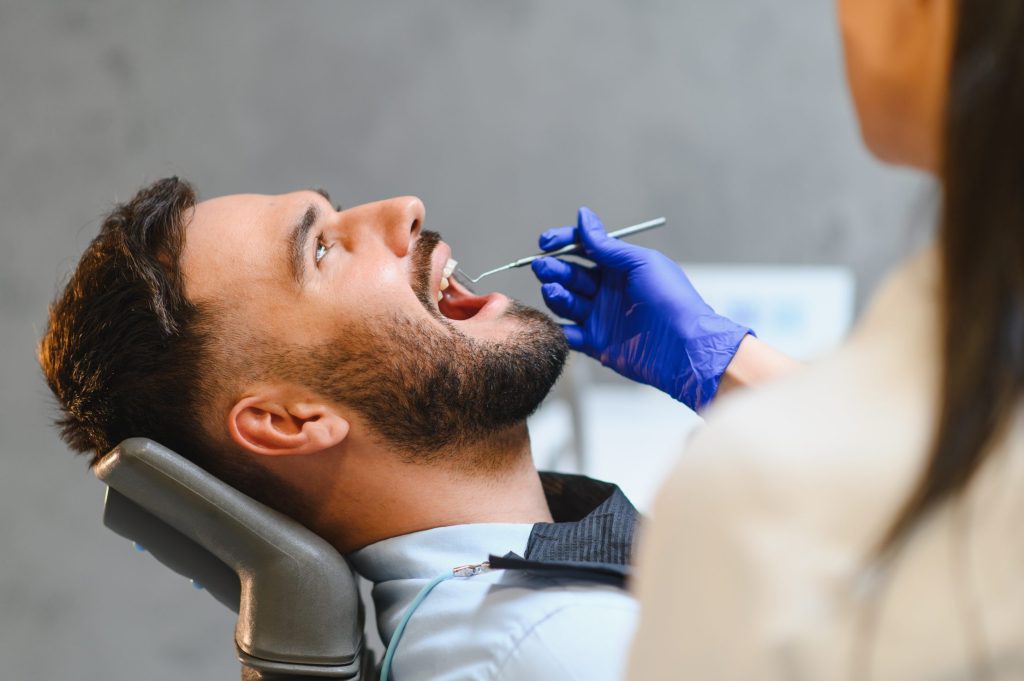
A tight lip or tongue frenulum is often discussed in pediatrics, but it can create meaningful dental concerns for adults as well. Adults may notice restricted tongue movement, tension on the gum tissue near the front teeth, or frustration with oral hygiene in hard-to-reach areas. In more persistent cases, a tight band of tissue can contribute to gum recession, discomfort during speaking or eating, and orthodontic concerns after braces.
At Northwest Dental Specialists, our periodontal team evaluates these attachments as part of comprehensive oral health care. When a restrictive frenum interferes with normal function, a frenectomy may be recommended to relieve tension and support healthier, more comfortable daily function.
What is a frenum, and why does it matter for adult oral health?
A frenum (also called a frenulum) is a small tissue band that connects parts of the mouth and helps guide natural movement. Common locations include the labial frenum, which connects the upper or lower lip to the gums, and the lingual frenulum, which connects the underside of the tongue to the floor of the mouth. These structures are normal, but a tight frenum can pull, restrict motion, or place stress on nearby gum health over time.
Because adults adapt, signs of a restrictive frenum can be easy to overlook. Many patients simply assume they have “always had” limited tongue mobility or an area that feels tight. A clinical evaluation can determine whether the frenum is within a healthy range or whether the attachment is contributing to oral health concerns.
Can a tight frenum cause problems for adults?
Yes. A restrictive frenum can affect oral function and comfort in adults, especially when it limits tongue mobility or pulls on the gums near the upper front teeth. Adults commonly compensate for limited motion in subtle ways, which can contribute to jaw tension, neck pain, or ongoing oral discomfort.
A tight band of tissue may also interfere with good hygiene. If the frenum pulls the tissue or restricts movement, brushing and flossing can become less effective in specific areas, increasing the risk of irritation and long-term gum health challenges. For some patients, addressing the frenum becomes part of maintaining stable, healthy tissues around the teeth.
Common signs of a tight lip or tongue attachment in adults
Symptoms vary from person to person and can involve function, comfort, and long-term tissue stability. Adults often seek care because something feels “off,” even if they cannot identify the exact cause.
Common signs your dentist or periodontist may evaluate include:
- Limited tongue movement, especially difficulty lifting the tongue or moving it freely during speech or swallowing
- Speech difficulties that persist into adulthood, including challenges with certain sounds
- Tension or pulling of gum tissue near the front teeth, sometimes linked with gum recession
- A persistent gap between the upper front teeth associated with a prominent labial frenum
- Challenges maintaining oral hygiene around the frenum attachment point
- Irritation or discomfort when eating, speaking, or stretching the lips or tongue
- Orthodontic concerns such as orthodontic relapse or reduced orthodontic stability after treatment
These symptoms can overlap with other dental issues, so a focused exam is important. Your general dentist may refer you for a specialty evaluation when frenum tension is suspected.
Types of frenectomies: labial, lingual, and more
The term “frenectomy” refers to a minor surgical procedure that releases or modifies the frenum to remove restriction. Several types of frenectomies may be discussed depending on the location and the goal of treatment.
A labial frenectomy addresses the frenum connected to the upper or lower lip. This is often considered when tension affects gum tissue, contributes to recession, or influences spacing near the upper front teeth. A lingual frenectomy addresses the lingual frenum under the tongue when tongue mobility and oral function are limited. Some patients also have smaller attachments along the cheeks, and a provider may reference a buccal frenectomy when a cheek frenum contributes to localized tension or hygiene challenges.
In each case, the focus stays the same: reduce the pull of a small band of tissue so the mouth can function comfortably and the gums can remain stable.
Why adults consider frenectomy (and when it helps most)
Many adults explore frenectomy after years of adapting to restrictions. The decision often connects to specific goals: improving comfort, supporting gum health, or protecting orthodontic results. Adults who have experienced gum recession near a frenum attachment may consider treatment to reduce ongoing traction. Others pursue care because tongue movement feels restricted during speaking, swallowing, or certain social and professional situations, affecting quality of life.
Orthodontic patients may also be evaluated if a tight frenum is associated with spacing or orthodontic relapse. In these cases, coordination between your referring dentist, orthodontist, and periodontal specialist helps support long-term orthodontic stability. Northwest Dental Specialists places strong emphasis on clear communication with referring providers so decisions are aligned and efficient.
What to expect during a frenectomy procedure
At Northwest Dental Specialists, a frenectomy procedure is typically performed using local anesthesia to keep you comfortable. After an evaluation of the tight frenum and surrounding tissues, the frenum is carefully released by removing or modifying the piece of tissue causing the restriction. The goal is controlled, precise change that supports function while protecting nearby gum tissue.
For adult patients, it helps to plan for a short recovery window and to follow aftercare instructions closely. Many people describe mild soreness and swelling afterward, with symptoms improving as healing progresses. Recovery time varies by individual and by the type of frenum being treated, but patients often return to normal activities within a day or two.
Your specialist will recommend an approach based on your anatomy and oral health needs, with a focus on safety, predictability, and comfort.
Healing, recovery time, and getting back to normal activities
Healing involves the tissue adapting to its new range of motion and reduced pull. Most adults can resume routine daily function quickly, but thoughtful care during the first several days supports smoother recovery time. During this period, your mouth may feel tender, and stretching or wide movements may feel unfamiliar as the area heals.
Your provider will explain how to keep the area clean and maintain oral hygiene without irritating the site. Consistent brushing and gentle care help support good hygiene and reduce inflammation. If you are managing other oral health concerns, such as periodontal therapy needs, your periodontist will incorporate the frenectomy into a broader plan that supports long-term gum health.
How a periodontal specialist evaluates tight frenum concerns
A tight frenum evaluation involves more than looking at the small tissue band. A specialist considers how it interacts with tongue mobility, the surrounding gum tissue, bite position, and your overall oral health. The exam often includes assessing how the frenum attaches when you move the lips or tongue and whether it places strain on tissues around the teeth.
Because Northwest Dental Specialists provides specialty periodontics and endodontics under one roof, our team is accustomed to evaluating complicated, overlapping factors that can influence comfort and function. We also prioritize seamless collaboration with your referring dentist, especially when the concern overlaps with orthodontic concerns, recession management, or restorative planning.
When to schedule an evaluation in Park Ridge or Mt Prospect
Consider a specialty evaluation if you have ongoing oral discomfort, limited tongue mobility, gum recession near the front teeth, or frustration maintaining oral hygiene around a tight band of tissue. Adults also benefit from an exam when preparing for orthodontic treatment, addressing orthodontic relapse, or trying to maintain orthodontic stability after aligners or braces.
If you are unsure whether you need treatment, that is a common starting point. A clinical assessment can clarify whether the frenum is contributing to your symptoms and whether an adult frenectomy is likely to improve comfort or function.
Schedule a consultation for frenectomy for adults at Northwest Dental Specialists
If you suspect a restrictive frenum is affecting your speech, bite comfort, gum health, or daily function, our team can help you get clear answers. Northwest Dental Specialists offers frenectomy services in the Park Ridge and Mt Prospect area, with a patient-focused approach grounded in advanced training and careful coordination with referring dentists.
To discuss frenectomy for adults, contact Northwest Dental Specialists to schedule a consultation and learn whether a labial frenectomy or lingual frenectomy fits your needs.