
 MEET
MEET MEET
MEET MEET
MEET MEET
MEET MEET
MEET PATIENT FORMS
 PATIENT PORTAL
 FINANCING AND INSURANCE
 YOUR FIRST VISIT
Hearing that you may need a root canal can bring immediate anxiety, especially if you are already dealing with tooth pain or discomfort that interrupts sleep and meals. At Northwest Dental Specialists in Park Ridge, IL, endodontics is delivered with a steady focus on precision, comfort, and clear communication. Modern tools and techniques have transformed how root canal therapy feels for patients, while also helping your dentist and specialist protect your natural tooth whenever possible.
This article explains what a root canal treatment addresses inside the tooth, why symptoms can escalate quickly, and how advanced clinical technology, including surgical microscopes and imaging, supports a smoother dental procedure.
What a root canal is treating inside the tooth
A root canal procedure is recommended when the dental pulp becomes irritated or infected. That pulp tissue sits in the pulp chamber and extends through the root chamber (the canal space) within the root of your tooth. It contains blood vessels, connective tissue, and nerves, so inflammation in this area often leads to severe pain, soreness, or a lingering toothache that does not resolve with ibuprofen alone.
Common causes include deep decay, a deep cavity, cracks, trauma, and repeated dental work on the same tooth. When bacteria reach the pulp of the tooth, an infected pulp can progress to a root canal infection, swelling, or an abscess with pus. Treating the infected tooth early supports your oral health and helps preserve natural teeth rather than moving toward extraction.
Which signs of infection should you take seriously?
If you notice signs of infection, prompt evaluation can prevent bigger dental issues and protect the surrounding gum and jawbone. Some sensations feel vague at first, then become harder to ignore over a few office visits or even a single weekend. Your general dentist may start the evaluation and refer you to an endodontist when the case involves complex anatomy, retreatment needs, or significant inflammation.
Look out for these common warning signs:
- Persistent pain that lingers after hot or cold and does not settle
- Tooth pain when chewing, especially in molars
- Swelling near the gumline or tenderness in the soft tissue
- A pimple-like bump that may indicate drainage from an abscess
- Sensitivity that worsens, or a history of deep decay or cavities in that tooth
Why is root canal treatment more comfortable today?
Root canal therapy feels more manageable today because comfort and precision are supported at every step, from numbness to isolation and magnified visualization. Local anesthesia and modern protocols control discomfort during the procedure, while careful technique helps reduce post-treatment soreness. Technology also helps clinicians work efficiently inside a small, complex part of the tooth without unnecessary manipulation of surrounding tissue.
Comfort also comes from clarity. When patients understand what is happening, why it is needed, and what to expect afterward, the appointment often feels less intimidating. That patient-centered approach aligns with guidance shared by professional organizations such as the American Association of Endodontists (AAE), which emphasizes that endodontic therapy is designed to relieve pain and save the natural tooth.
The role of surgical microscopes in endodontics
One key advancement in endodontics is the use of surgical microscopes. Magnification and illumination allow the endodontist to see fine details inside the tooth that are difficult to visualize with the naked eye. That matters because root canals can be narrow, curved, or branching, and missing anatomy can contribute to persistent infection or the need for further treatment later.
Microscope-supported care improves accuracy when locating canals, cleaning the canal system, and confirming that materials are placed where they should be. This precision is especially helpful in root canal retreatment and periapical surgery, where prior restorations, posts, or complex anatomy can limit visibility. Better visualization supports a calmer appointment flow because the clinician can work with confidence and minimize unnecessary time in the chair.
Cone Beam CT imaging and planning for complex cases
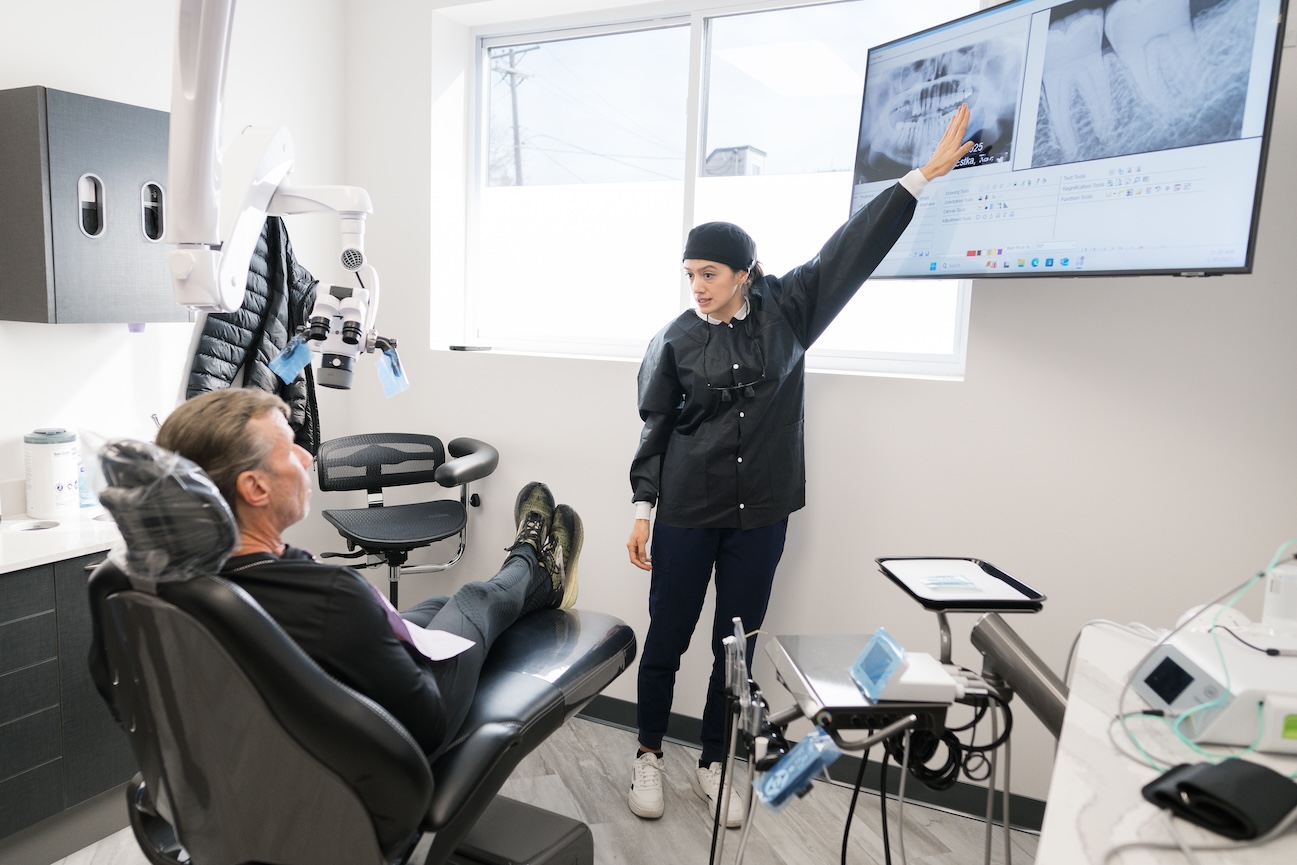
Advanced imaging supports planning by showing structures that traditional 2D images may not fully capture. Cone Beam CT imaging provides a detailed view of the root of your tooth and surrounding bone anatomy, which is valuable when an infected tooth has unusual root shapes, when symptoms do not match what is visible on standard images, or when periapical concerns are suspected near the tip of the root.
This type of planning supports efficient care and fewer surprises during the root canal treatment. It also supports coordination with your referring dentist, especially when the tooth will need a crown or other restoration afterward. Clear imaging, clear notes, and clear follow-through help maintain continuity of dental care from specialty treatment back to your general dental services.
What to expect during the root canal procedure
Most appointments follow a structured process designed to control infection and keep you comfortable. The goal is to remove infected or damaged pulp, disinfect the space, and seal the canal system so the tooth can function again. Your endodontist will also discuss timing for restoration since the tooth typically needs a strong protective covering afterward.
A typical root canal procedure includes:
- Numbing with local anesthesia so you stay comfortable during the dental procedure
- Isolation with a dental dam to keep the area clean and limit saliva contamination
- Accessing the pulp chamber and removing damaged pulp and infected pulp
- Cleaning and shaping the canal space, then disinfecting to reduce bacteria
- Sealing the root chamber and placing a temporary filling when needed
- Coordinating with your dentist for the final filling or crown and long-term restoration
That final restoration is important because it helps protect the natural tooth from fracture and reinfection. Your dentist will guide the next step based on how much of the tooth structure remains and how the tooth functions in your bite.
Root canal retreatment and periapical surgery: when additional care is needed
Sometimes a tooth that has had prior root canal therapy develops new symptoms. Root canal retreatment may be recommended if bacteria re-enter the canal system, if canal anatomy was difficult to fully clean the first time, or if a restoration fails and allows leakage. Your endodontist evaluates the inside of the tooth and surrounding structures to determine whether retreatment is appropriate.
In certain situations, periapical surgery can help address infection at the root tip when conventional treatment cannot fully resolve it. This approach focuses on the area around the root end and the surrounding tissues, with the goal of removing infected tissue and supporting healing. The decision is individualized, and it is handled with careful planning and attention to patient comfort.
Comfort after treatment: what is normal and what is not
After a root canal treatment, mild tenderness or discomfort is common for a short period, especially if the tooth was inflamed before the visit. Many patients do well with over-the-counter options such as ibuprofen, along with following the instructions provided. Antibiotics may be prescribed in specific situations, particularly if there is spreading infection, swelling, or systemic involvement, and your endodontist will explain when they are appropriate.
Call your dental team if you experience worsening swelling, increasing severe pain, fever, or a bite that suddenly feels significantly off. These symptoms can suggest complications such as persistent infection, occlusal trauma, or an issue with the temporary filling. Timely follow-up protects your oral health and helps ensure the tooth can be restored and kept stable.
Protecting your natural teeth long-term
Endodontic therapy supports the goal many patients share: keeping natural teeth functioning comfortably. Routine dental care also plays a role. Regular checkups help your dentist identify decay early, monitor existing fillings and crowns, and address cavities before they progress to the pulp. Daily care of your teeth, including brushing, flossing, and managing risk factors for decay, reduces the likelihood of future infection.
If a tooth cannot be saved, your dentist may discuss other options, including dental implants. At Northwest Dental Specialists, the broader specialty focus includes surgical solutions within periodontics and implant care, which supports coordinated planning when complex decisions are needed.
When to contact Northwest Dental Specialists
If you are dealing with toothache symptoms, persistent pain, or signs of infection, it is reasonable to seek an evaluation sooner rather than later. Early care can relieve discomfort, reduce the chance of an abscess, and improve the odds of saving the tooth. Northwest Dental Specialists provides specialty endodontics with a calm, patient-focused approach and clear coordination with your referring dentist so your treatment and restoration plan stays organized.
Schedule an appointment today.