
 MEET
MEET MEET
MEET MEET
MEET MEET
MEET MEET
MEET PATIENT FORMS
 PATIENT PORTAL
 FINANCING AND INSURANCE
 YOUR FIRST VISIT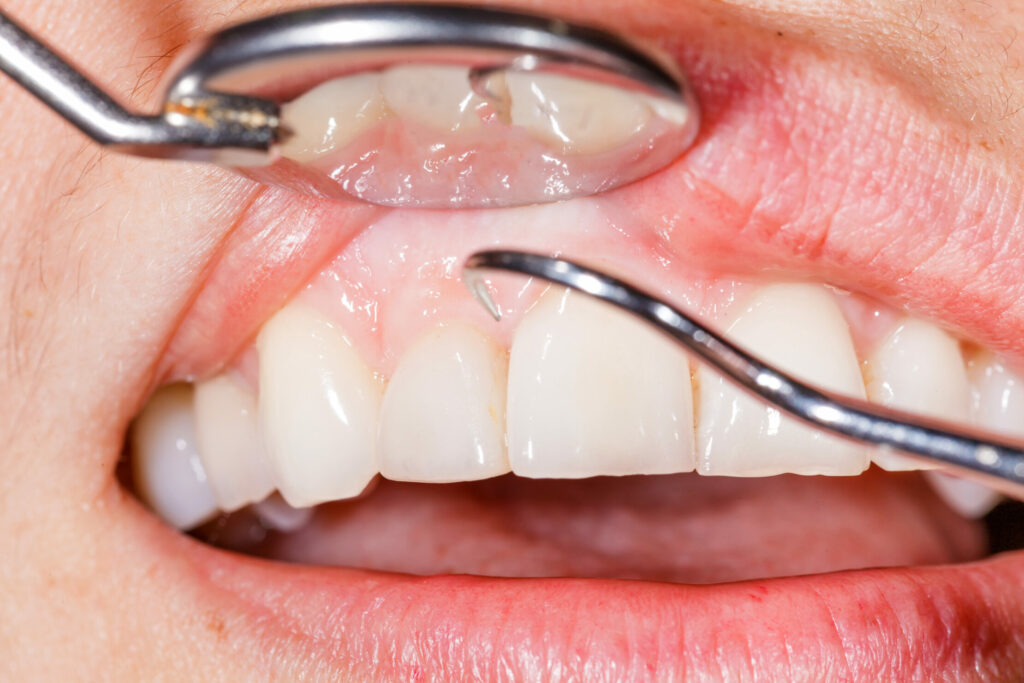
Healthy gums protect your smile, from the roots of your teeth to the bone that supports them. When gum health changes, early symptoms can be easy to dismiss, especially without pain. However, gum disease often progresses quietly, and delaying care increases the risk of infection, bone loss, and tooth loss.
At Northwest Dental Specialists in Park Ridge, IL, periodontal care is delivered with precision and patient-focused communication. Our team works closely with your general dentist to ensure consistent care, clear treatment planning, and timely disease control, especially when symptoms go beyond routine cleanings.
Why gum health affects your whole body
Your gums are living tissue connected to your overall oral health. When plaque and bacteria collect at the gum line, the body responds with inflammation. Over time, this can lead to infection and periodontal disease.
Organizations like the American Academy of Periodontology and the American Dental Association stress the itmportance of early evaluation and regular checkups to protect both dental and overall health. Research links gum disease to conditions like cardiovascular disease, making it essential to address risk factors and medical history. Supporting gum health contributes to a healthy mouth and long-term oral health.
What are the early signs of gum disease?
Early gum disease symptoms often seem minor, leading people to overlook them. Gingivitis, the earliest stage, can improve with consistent oral hygiene and professional care. Acting at this stage is crucial, as the next phase involves deeper pocketing and attachment loss.
Watch for these warning signs:
- Bleeding during brushing, flossing, or professional cleanings
- Redness, tenderness, or swelling indicating inflammation
- Persistent bad breath despite good oral care
- Receding gums or changes in gum tissue around teeth
- Sensitivity near the gum line, especially with cold foods or drinks
If these symptoms persist, a periodontal evaluation can determine whether home care is sufficient or if periodontal therapy is needed.
When symptoms suggest periodontal disease, not just gingivitis
Periodontal disease affects deeper structures than surface-level inflammation. When bacteria move below the gums, they can infect connective tissue and bone, leading to tooth loss in advanced stages.
Symptoms requiring specialized care include loose teeth, widening spaces between teeth, discomfort when chewing, or gums pulling away from teeth. Chronic periodontitis progresses over time, while aggressive periodontitis can advance rapidly, even in younger patients. Early diagnosis and treatment help protect tooth stability and prevent complications.
Common risk factors for poor gum health
Gum disease doesn’t stem from a single cause. Overlapping risk factors influence outcomes, and addressing them supports better long-term health. Factors include:
- Poor oral hygiene and inconsistent dental care
- Tobacco use
- Hormonal changes that increase gum inflammation
- Poor nutrition, including low vitamin C intake
- A history of tooth decay or plaque retention around restorations
Your immune system and systemic health also play roles in gum health, making personalized care essential. Identifying and managing these risk factors can significantly improve outcomes.
What specialized periodontal treatment may involve
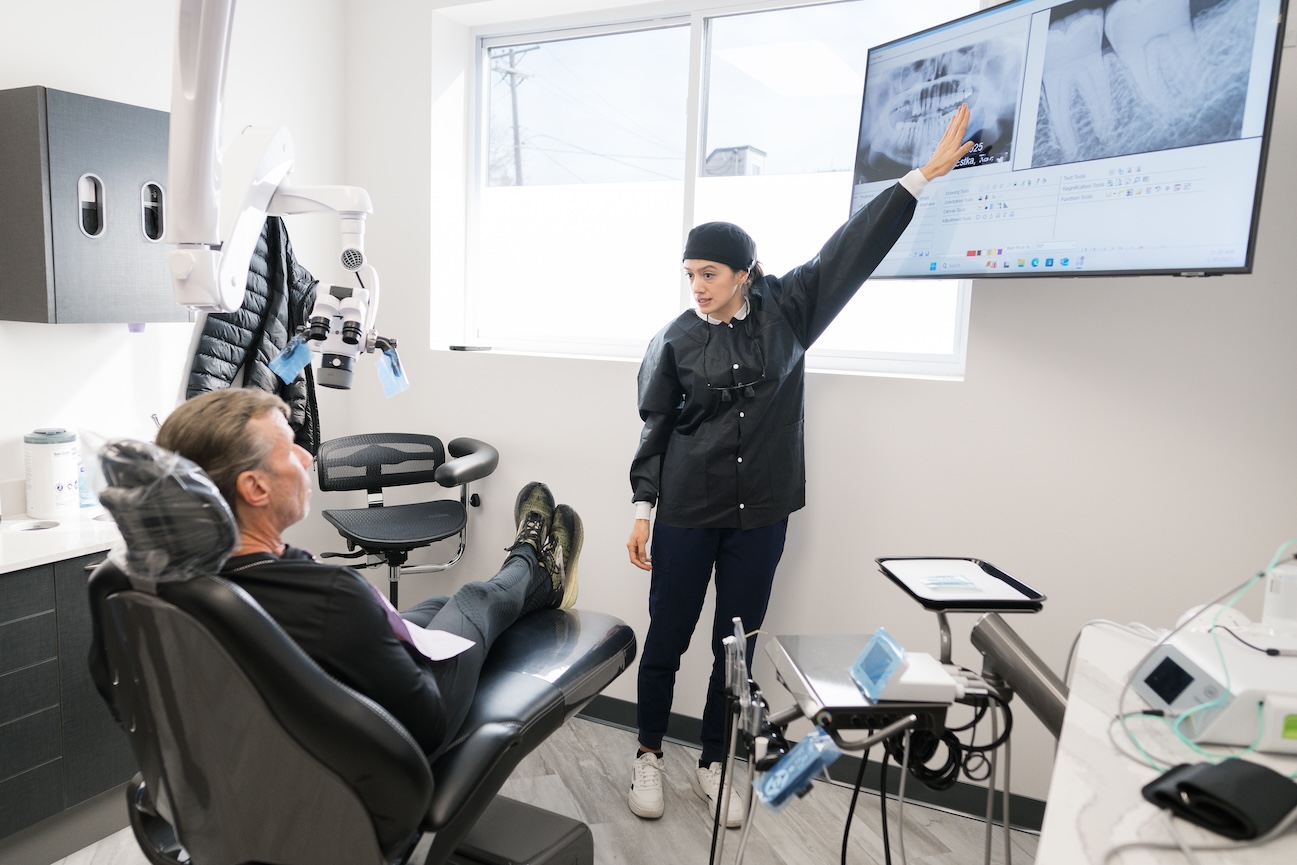
A periodontal visit begins with diagnosis and a tailored treatment plan. Your periodontist will review symptoms, measure gum pockets, evaluate inflammation, and may recommend imaging. This ensures seamless care and communication with your general dentist.
Treatment options include:
- Scaling and Root Planing: Deep cleaning to remove plaque and calculus below the gum line, smoothing root surfaces to reduce bacterial retention and support gum reattachment.
- Periodontal Maintenance: Regular care after active treatment to control disease and prevent recurrence.
- Gum Grafting: A procedure to address gum recession, protect exposed roots, and reduce sensitivity.
- Advanced Therapy: Surgical approaches to manage severe gum disease or advanced periodontitis.
Your provider will explain each step, including healing expectations, home care tips, and how your dentist stays informed. This collaborative approach ensures you receive the most effective care for your specific needs.
Supporting gum health at home between visits
Daily habits are crucial, especially after treatment. Consistent oral hygiene reduces bacteria and stabilizes results, but it must be paired with regular checkups and monitoring for those at risk of periodontal disease.
A practical home plan includes brushing twice daily with fluoride toothpaste, cleaning between teeth once a day, and using tools that improve access along the gum line. If you notice recurring bleeding, bad breath, or gum tenderness, schedule an evaluation rather than waiting for your next cleaning. Staying proactive with your oral care routine can make a significant difference in maintaining gum health.
Why timely periodontal care prevents tooth loss
Periodontal disease progresses in patterns, and the longer it persists, the more likely it is to cause bone loss and tooth mobility. Once supporting structures are compromised, restoring stability may require complex care. Early intervention leads to better outcomes, fewer appointments, and more predictable healing.
Healthy gums also support future restorative options. Patients considering dental implants or other surgical solutions benefit from controlled inflammation and stable gum tissue. Periodontal care creates a strong foundation, helping your broader care team plan confidently.
Coordinated specialty care in Park Ridge, IL
Northwest Dental Specialists offers dual-specialty expertise with a focus on communication and patient comfort. Our periodontics and endodontics teams collaborate with referring dentists to streamline treatment, including prompt scheduling for urgent concerns. When symptoms overlap, such as gum inflammation and tooth pain, coordinated care ensures efficient diagnosis.
Your visit prioritizes clarity and comfort. You’ll receive direct explanations, a tailored plan, and guidance for long-term oral health. If additional findings arise, such as concerns requiring oral pathology, your team will discuss next steps promptly. This comprehensive approach ensures you feel supported throughout your care journey.
Schedule a periodontal evaluation for gum health concerns
If you experience bleeding gums, bad breath, gum recession, or loose teeth, a periodontal evaluation can identify the cause and appropriate treatment. Northwest Dental Specialists in Park Ridge, IL offers periodontal therapy, scaling and root planing, maintenance, and gum grafting with careful coordination alongside your general dentist. Schedule an appointment today and take the next step toward lasting gum health.