
 MEET
MEET MEET
MEET MEET
MEET MEET
MEET MEET
MEET PATIENT FORMS
 PATIENT PORTAL
 FINANCING AND INSURANCE
 YOUR FIRST VISIT
A root canal retreatment question often comes with a sense of worry: you already went through the procedure, the tooth felt fine for years, and now you’re dealing with pain again. At Northwest Dental Specialists in Park Ridge and Mt. Prospect, our endodontists focus on diagnosing the cause of symptoms in a previously treated tooth and recommending a clear, conservative path forward. Our team provides advanced endodontics, including CBCT imaging, root canal therapy, and surgical options such as periapical surgery when needed.
A treated tooth can often last as long as other natural teeth with proper restoration and ongoing care. When symptoms return months or years after a root canal, it usually means something has changed around the canal system, the filling, the crown, or the surrounding tissues. A calm, structured evaluation is the fastest way to protect your oral health and reduce complications.
Why would a tooth hurt again years after a root canal?
Root canal treatment removes infected or inflamed pulp tissue, cleans the root canals, and seals the canal space. While this addresses the initial problem, it doesn’t make the tooth immune to future decay, fractures, or reinfection. Changes can occur quietly over time, and discomfort may start suddenly if the affected area becomes inflamed.
Pain can range from mild sensitivity at the top of the tooth to deeper throbbing near the root tip. Some patients notice tenderness when biting, swelling in the gums, or a pimple-like bump that suggests drainage. Others feel intermittent discomfort that’s hard to pinpoint, especially if a dental crown is present.
Common reasons a previously treated tooth becomes symptomatic
A returning issue after a root canal usually falls into two categories: factors related to the initial treatment and factors related to new changes. The goal is to identify the source of inflammation and decide whether retreatment, surgery, or another solution is best.
Common causes include:
- Complex canal anatomy: Curved, narrow, or complicated canals can be difficult to fully disinfect during the initial root canal, especially if additional canals went undetected.
- New decay: Tooth decay around an old filling, crown margin, or exposed tooth structure can allow bacteria to reach the sealed canal system and trigger reinfection.
- Restoration timing or integrity: A temporary filling or delayed restoration can allow saliva contamination. A cracked, loose, or compromised crown can also expose the tooth to bacteria.
- Old filling material or leakage: Over time, microscopic leakage around old filling material or a crown can contribute to irritation and recurrent infection.
- Fractures or traumatic injuries: Cracks and fractures can create pathways for bacteria. Some fractures are difficult to see on standard images and require careful diagnostic methods.
A general dentist often identifies the concern during an exam and refers the patient to an endodontist for advanced evaluation. This collaboration supports seamless continuity of care, especially when there’s uncertainty about whether the tooth needs retreatment or extraction.
When symptoms are mild, should you wait or seek consultation?
If you have intermittent tooth pain, tenderness when chewing, or swelling near a previously treated tooth, scheduling a consultation promptly is the safer approach. Over-the-counter pain relievers can reduce discomfort temporarily, but they don’t address the source of infection or inflammation. Early evaluation helps limit bone loss around the root and improves the chance of saving the natural tooth.
More urgent signs include facial swelling, persistent pain that wakes you up, a draining bump on the gums, or pain that escalates quickly. Northwest Dental Specialists prioritizes urgent dental concerns, and a timely exam can prevent a manageable issue from becoming a larger infection.
How Cone Beam CT imaging helps find the real problem
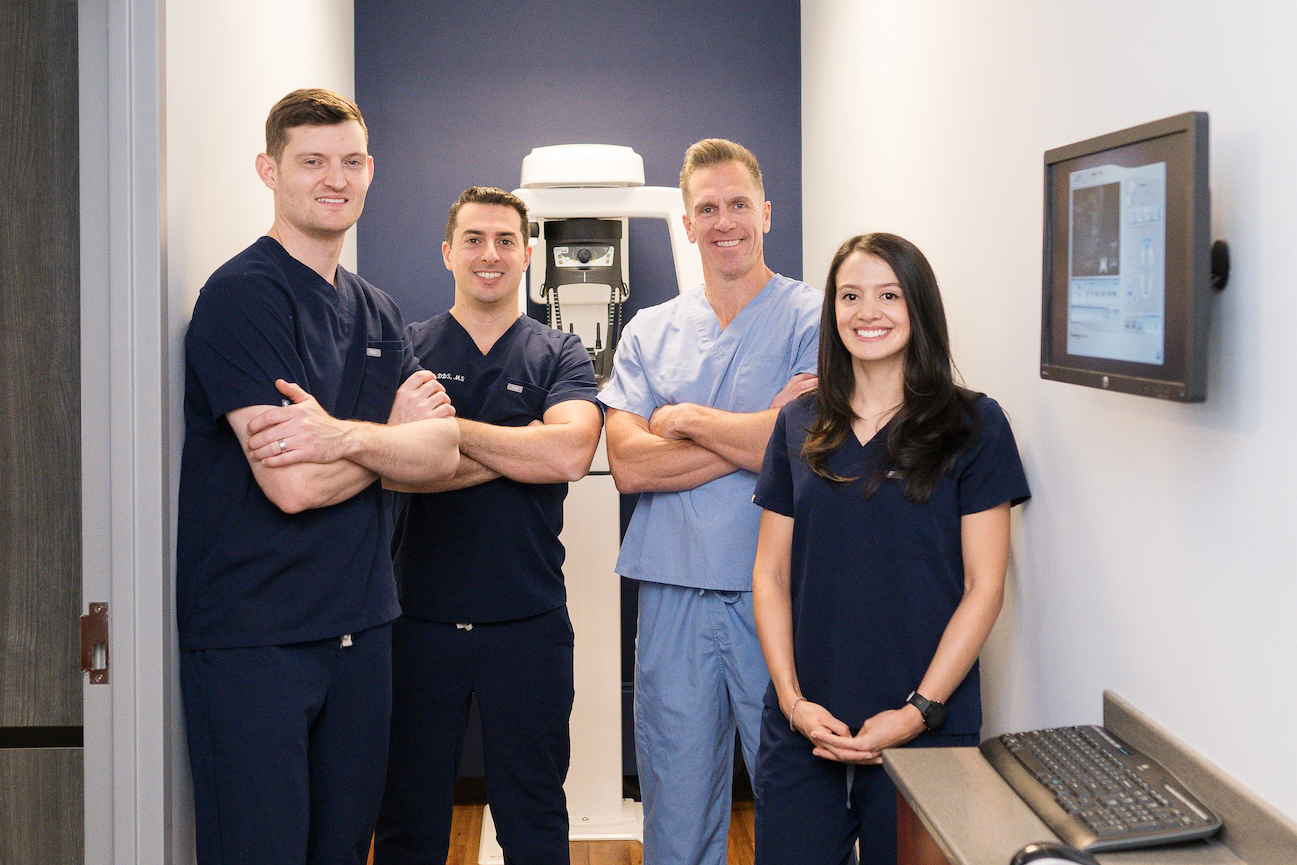
When a treated tooth starts hurting again, accurate diagnosis is crucial. Traditional digital X-rays provide valuable information, but they show a limited, two-dimensional view. Northwest Dental Specialists uses Cone Beam CT imaging (CBCT) at both locations to capture detailed 3D views of the tooth, bone, and surrounding anatomy.
CBCT can help your endodontists:
- Locate anatomy that may have been missed during the original root canal procedure
- Identify signs of reinfection near the tip of the root
- Evaluate bone changes and the extent of inflammation in the surrounding tissues
- Assess cracked teeth and certain fractures that may not be clear on standard X-rays
This approach supports precision-driven treatment planning and helps you and your dentist make the right choice based on clear findings.
What is root canal retreatment, and how does it work?
Root canal retreatment (also called endodontic retreatment) involves re-entering a tooth that already had root canal therapy, removing the existing root canal filling material, and carefully cleaning and disinfecting the canal system again. After cleansing the root canals, they are filled and sealed, and the tooth receives a temporary, protective filling until you return to your dentist for the final restoration.
Patients often ask if this is simply a “second root canal.” In practical terms, the goal is similar to the initial root canal: resolving infection and preserving the natural tooth. Retreatment focuses on addressing what changed after the initial root canal or what couldn’t be fully treated during the first procedure due to complex canal anatomy.
At Northwest Dental Specialists, treatment is performed with local anesthesia to keep the area fully numb. For patients who feel anxious, sedation dentistry options may be discussed based on the case and procedure.
Non-surgical retreatment vs. periapical surgery
Most retreatment cases are non-surgical and use access through the top of the tooth, similar to the original root canal treatment. In some situations, surgical endodontic retreatment provides a more direct path to the problem area while preserving tooth structure.
Periapical surgery (an endodontic surgery) may be recommended when:
- Infection persists near the tip of the root and the canal cannot be effectively addressed from the crown side
- A hidden canal, fracture, or apical issue needs direct visualization and treatment
During apical surgery, an incision is made in the gums near the tooth, the endodontist accesses the root end, and a portion of the root tip may be removed so the area can be cleaned and sealed. This approach can support healing of surrounding bone and tissues and help a tooth avoid extraction.
What about crowns, restorations, and coordination with your dentist?
A root canal-treated tooth relies on a well-sealed restoration for long-term success. If the crown or restoration is delayed, damaged, or leaking, bacteria can re-enter the canal system even after excellent endodontic work. That’s why Northwest Dental Specialists emphasizes strong communication with referring dentists and clear handoffs after endodontic treatment.
After retreatment, patients are advised to schedule promptly with their restorative dentist for the permanent restoration, which may be a new dental crown or another appropriate solution. This coordination protects the cleaned canal system from contamination and reduces the risk of reinfection.
If a tooth cannot be saved, what happens next?
Endodontics focuses on saving the natural tooth when it’s a viable option. In some cases, severe fractures, extensive decay, or advanced bone loss can make extraction the safest route. When that occurs, your dentist may discuss replacement options such as dental implants to avoid missing teeth and maintain a stable bite.
A thoughtful treatment plan weighs comfort, function, and long-term maintenance. Your endodontists can help clarify whether retreatment offers a strong second chance or if extraction is the best option based on diagnostic findings.
What you can do now if your old root canal is acting up
If an old root canal starts to feel “off,” focus on getting a diagnosis rather than guessing. Try to note when symptoms occur (biting, temperature, nighttime), and avoid chewing hard foods on that side. Continue brushing and flossing carefully around the gums, and use over-the-counter pain relievers only as directed if you need short-term relief.
Most importantly, schedule a consultation with an endodontic team that can evaluate complications with advanced imaging. Northwest Dental Specialists provides CBCT-based diagnosis, endodontic retreatment, and periapical surgery when indicated, with patient comfort supported through effective anesthesia and a calm, organized clinical process. To coordinate care smoothly, we also share findings with your general dentist and work as a unified team on your next steps.
If you are experiencing tooth pain in a previously treated tooth, contact Northwest Dental Specialists in Park Ridge or Mt. Prospect to schedule an endodontic consultation and get clear answers quickly.